Introduction
Building good credit isn’t always as simple as paying your bills on time. For many people, the challenge isn’t just managing debt, it’s establishing a credit history in the first place.
That’s where credit builder loans come in. You may have seen the term online or heard it mentioned by a bank or credit union. At first glance, it sounds like a regular loan. But it works differently.
So what exactly is a credit builder loan? And is it truly a practical way to strengthen your credit profile or just another financial product with a new label?
In this guide, we’ll break down how credit builder loans work, what they’re designed to do, and when they make sense.
Key Takeaways
- A credit builder loan is designed to help establish or improve credit history, not provide immediate access to cash.
- You make fixed monthly payments, and those payments are reported to credit bureaus to help build a positive payment record.
- The funds are released at the end of the loan term, typically after all payments are completed.
- Consistency is critical. On-time payments can help your credit, while missed payments can lower your score.
- Interest and fees may apply, which can reduce the total amount you receive.
- Alternatives like secured credit cards or reporting recurring payments may also help, depending on your financial habits and goals.
Disclaimer: This site contains affiliate links. If you make a purchase, we may earn a commission at no extra cost to you.
What Is a Credit Builder Loan?
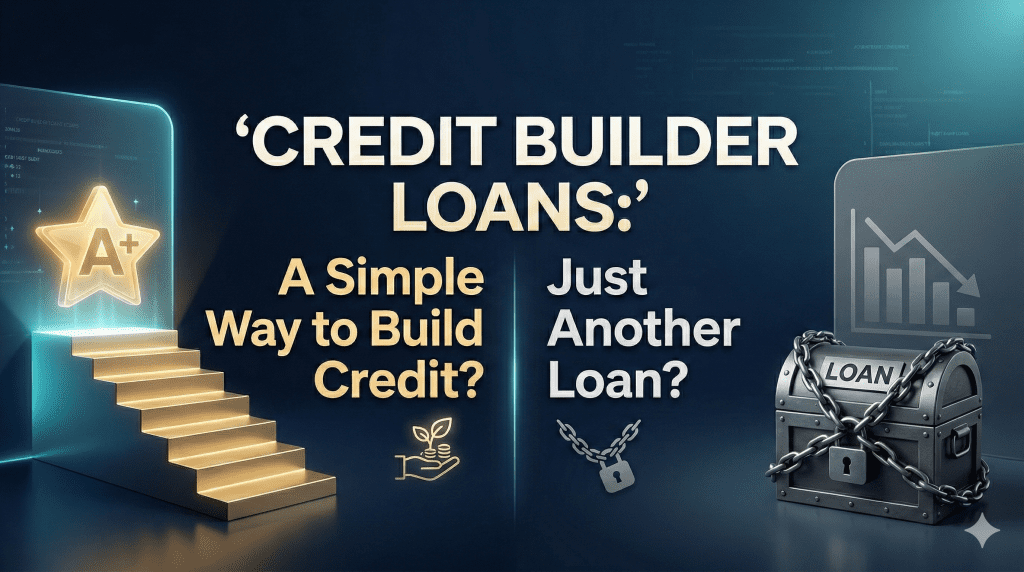
A credit builder loan is a small loan designed specifically to help someone establish or improve their credit history.
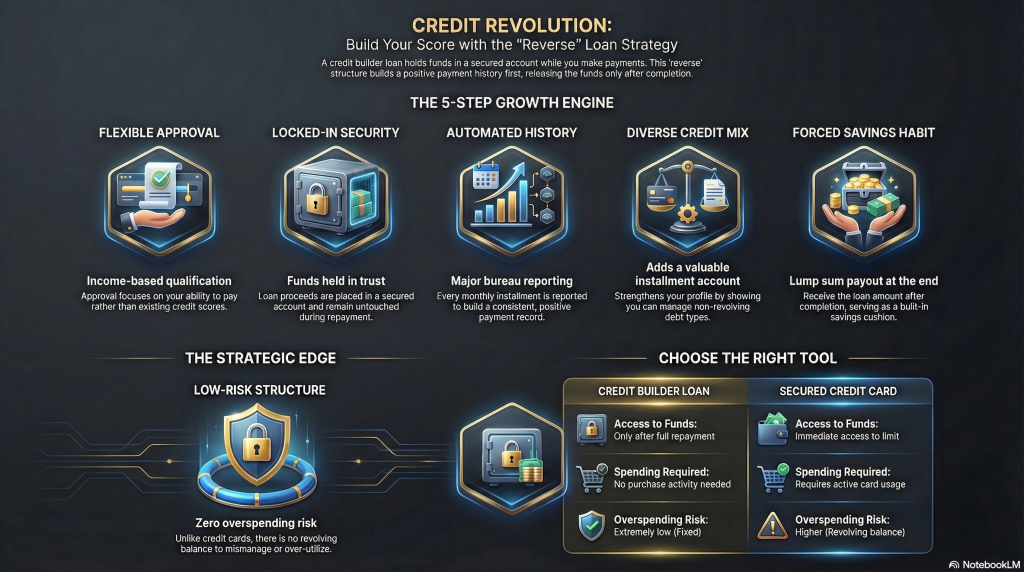
Unlike a traditional loan, you don’t receive the money upfront. Instead, the lender places the loan amount into a secured account, such as a savings account or certificate. You then make fixed monthly payments over a set period of time, usually six to twenty-four months.
As you make those payments, the lender reports them to the major credit bureaus. Those on-time payments become part of your credit history.
Once the loan term is complete and all payments have been made, the funds are released to you. In many cases, you receive the full loan amount, sometimes minus interest or fees.
In simple terms, you’re essentially building a record of consistent payments first and receiving the money at the end.
How a Credit Builder Loan Works (Step by Step)
While the concept may sound unusual at first, the process is straightforward and structured.
1. You apply and are approved.
You apply through a bank, credit union, or online lender. Approval requirements are often more flexible than traditional loans because the lender is not giving you immediate access to the funds.
Instead of focusing heavily on your credit score, lenders typically look at your income and ability to make consistent monthly payments.
2. The loan funds are set aside.
Once approved, the loan amount is placed into a secured account, such as a savings account or certificate.
The money remains there for the duration of the loan term. You can’t withdraw it while you’re making payments.
3. You make fixed monthly payments.
You agree to repay the loan in predictable monthly installments, usually over 6 to 24 months.
These payments include the loan amount plus any interest or fees charged by the lender. The structure is meant to be manageable and consistent.
4. Payments are reported to credit bureaus.
This is the most important part. The lender reports your payment activity to the major credit bureaus.
Each on-time payment adds positive information to your credit history. Missed payments, however, can have the opposite effect.
5. You receive the funds at the end.
After completing all scheduled payments, the lender releases the funds to you.
In many cases, you receive the original loan amount, though interest and fees may reduce the total you ultimately receive.
At its core, a credit builder loan is designed to create a structured path toward building payment history. The benefit comes not from accessing cash upfront, but from demonstrating consistent, responsible repayment over time.

How a Credit Builder Loan Helps Build Your Credit
Builds Your Payment History
Payment history is one of the most important factors in determining your credit score. Each time you make an on-time payment, the lender reports that activity to the major credit bureaus. Over time, those consistent payments create a positive track record.
This steady reporting is what allows the loan to support credit growth. The improvement doesn’t happen instantly, but consistency works in your favor month after month.
Adds an Installment Account to Your Credit Profile
Credit builder loans are installment loans, meaning they have fixed payments over a set period of time. This is different from revolving accounts like credit cards.
Having different types of credit accounts sometimes referred to as a credit mix can strengthen your overall profile. Adding an installment account may help demonstrate that you can manage more than one type of financial responsibility.
Establishes a Record Over Time
Credit improvement is gradual. Lenders and scoring models look for patterns, not one-time actions.
Because a credit builder loan runs for several months, it creates a structured opportunity to show consistent behavior over time. That ongoing record can be more meaningful than a single financial action.
Requires Consistency to Be Effective
The benefit of a credit builder loan depends entirely on making payments on schedule. Late or missed payments can negatively impact your credit and may remain on your report for years.
For that reason, the loan only works as intended when payments are made reliably.

The Potential Benefits of a Credit Builder Loan
Creates a Structured Way to Build Credit
For many people, building credit can feel unclear. A credit builder loan provides a defined timeline and predictable payment schedule. You know exactly how much you owe each month and when the loan will end.
That structure can make the process feel more manageable compared to open-ended forms of credit.
Encourages Consistent Financial Habits
Because the payments are fixed and scheduled, a credit builder loan can help reinforce the habit of paying on time. Over several months, that routine can strengthen both your credit history and your financial discipline.
In that sense, the loan serves two purposes: building credit and reinforcing consistency.
Results in Access to Funds at the End
Unlike some credit-building tools, you receive the loan funds once all payments are complete. While you don’t get the money upfront, the final payout can act as a small savings cushion or be used for another financial goal.
For some people, this added benefit makes the process feel more tangible.
May Be Easier to Qualify For
Because the funds are secured while you make payments, lenders often have more flexible approval standards compared to traditional unsecured loans.
That can make credit builder loans more accessible to people who are still establishing or rebuilding their credit history.

The Drawbacks to Consider
You’ll Pay Interest and Possibly Fees
Even though you don’t receive the money upfront, most credit builder loans charge interest. Some lenders may also include administrative fees.
By the time the loan term ends, the total amount you receive may be slightly less than the original loan amount because of those costs. It’s important to understand the full terms before committing.
You Don’t Get Immediate Access to Cash
If you’re looking for funds to cover an expense right away, a credit builder loan won’t solve that problem. The money is held in a secured account until the loan is fully repaid.
This product is designed for credit building, not short-term borrowing.
Missed Payments Can Hurt Your Credit
The same reporting that helps your credit when payments are made on time can work against you if payments are late.
A missed payment may lower your credit score and remain on your credit report for years. That risk makes it important to choose a monthly payment amount that comfortably fits your budget.
Not Always Necessary for Everyone
If you already have established credit and a positive payment history, a credit builder loan may not provide meaningful additional benefit. In some cases, other tools may be more appropriate.
Who Might Benefit Most from a Credit Builder Loan
People With Limited or No Credit History
If you’re just starting out and don’t yet have much credit activity on your report, a credit builder loan can create a starting point. Making consistent payments over time helps establish a record that lenders can evaluate in the future.
Those Rebuilding After Financial Setbacks
If past financial challenges have negatively affected your credit, adding steady, on-time payments can help rebuild trust in your credit profile. A credit builder loan offers a structured way to begin adding positive information again.
Individuals Who Prefer Predictable Payments
Some people are uncomfortable with revolving credit, such as credit cards, where balances can fluctuate. Because credit builder loans have fixed payments and a clear end date, they may feel more manageable and easier to plan around.
Anyone Looking for a Structured Approach
For those who want a defined, step-by-step method to improve their credit over time, the built-in schedule of a credit builder loan can provide clarity and focus.
Alternatives to Consider
A credit builder loan is one option but it isn’t the only way to improve your credit. Depending on your financial situation and preferences, another approach may be a better fit.
Secured Credit Cards
A secured credit card requires a refundable deposit, which usually becomes your credit limit. You can use the card for small purchases just like a traditional credit card. By paying the balance on time and ideally in full you build a record of responsible credit use.
This option provides immediate access to credit, but it also requires discipline. Carrying high balances or missing payments can work against your progress.
Becoming an Authorized User
Another strategy is being added as an authorized user on someone else’s established credit card account. If the primary account holder has a strong history of on-time payments and low balances, that activity can appear on your credit report.
This approach can be helpful, but it depends entirely on the financial habits of the main account holder.
Reporting Recurring Payments
Some services allow you to add recurring payments such as rent, utilities, or subscription services to your credit profile. If those payments are consistently made on time, they can strengthen your overall credit history.
For people who already pay these expenses reliably, this can be a simple way to make existing financial habits count.

Credit Builder Loan vs. Credit Builder Credit Card
Both tools are designed to help improve credit, but they work in different ways. Understanding the differences can help you choose the option that fits your financial style and goals.
| Feature | Credit Builder Loan | Credit Builder Credit Card |
|---|---|---|
| Access to Funds | Funds are held until the loan is fully repaid | You can use the credit line immediately |
| Payment Structure | Fixed monthly payments over a set term | Flexible payments based on how much you spend |
| Primary Goal | Build payment history through structured installments | Build payment history through responsible credit usage |
| Spending Required? | No spending involved | Requires making purchases |
| Risk of Overspending | Low payments are fixed | Higher if balances aren’t managed carefully |
| Interest Impact | Interest is typically built into the loan | Interest applies only if you carry a balance |
| End Result | Receive loan funds after completion | May transition to an unsecured card with responsible use |
Which One Is Better?
There isn’t a universal answer.
A credit builder loan may appeal to someone who prefers predictable payments and doesn’t want access to a revolving credit line. A credit builder credit card may suit someone who wants flexibility and is comfortable managing monthly spending.
Both options can support credit growth but only when payments are made consistently and balances are handled responsibly.
Final Verdict: Is a Credit Builder Loan Worth It?
A credit builder loan isn’t a shortcut, and it isn’t a quick fix. It’s a structured tool designed to help build credit through consistent, on-time payments over a set period.
For someone who needs to establish credit history or rebuild after setbacks, it can provide a clear and manageable path forward. The fixed payments and defined timeline remove much of the uncertainty that comes with other forms of credit.
At the same time, it’s not necessary for everyone. If you already have established credit or prefer a different approach, alternatives like secured credit cards or reporting recurring payments may make more sense.
The key is understanding what the loan is designed to do. It doesn’t create credit strength on its own your payment behavior does.
When used thoughtfully and responsibly, a credit builder loan can be a practical step toward a stronger financial foundation.

Frequently Asked Questions
How much can a credit builder loan improve my credit score?
There isn’t a fixed number. The impact depends on your overall credit profile, including whether you have other accounts and how consistently you make payments. For someone with little or no credit history, steady on-time payments can make a noticeable difference over time.
How long does it take to see results?
Credit building is gradual. Some people may see changes within a few months, but meaningful improvement typically takes time. Because most credit builder loans run between six and twenty-four months, the benefit builds as positive payment history accumulates.
What happens if I miss a payment?
Missed or late payments can negatively affect your credit. Since lenders report your activity to credit bureaus, a late payment may lower your score and remain on your credit report for years. It’s important to choose a payment amount that fits comfortably within your budget.
Do I need good credit to qualify?
Many credit builder loans are designed for people with limited or challenged credit history. Approval requirements are often more flexible than traditional unsecured loans because the funds are secured while you make payments.
Is a credit builder loan better than a secured credit card?
It depends on your financial habits and preferences. A credit builder loan offers fixed payments and a clear end date. A secured credit card provides immediate access to credit but requires careful spending management. Both can help build credit when used responsibly.
Will I get all my money back at the end?
In most cases, you receive the original loan amount once all payments are completed. However, interest and fees may reduce the total amount you ultimately receive. Reviewing the full loan terms before applying is important.

2 Comments
What Is a Secured Loan? Everything You Need to Know - Look Up Loans · May 30, 2026 at 12:48 am
[…] credit cards and credit-builder loans are usually designed for building or rebuilding […]
How to Qualify for a Secured Personal Loan with Bad Credit - Look Up Loans · May 31, 2026 at 2:44 pm
[…] credit-builder loan can help you build payment history without giving you the money upfront. The lender usually holds […]